
Dudhwa National Park – A Traveler’s Guide 2026
Dudhwa National Park, situated along the Indo-Nepal border in the Lakhimpur-Kheri district of Uttar Pradesh, forms a vital part of a broader conservation landscape that also includes the Kishanpur and Katarniaghat Wildlife Sanctuaries. Together, these protected areas safeguard some of the last pristine expanses of natural forests and grasslands in the Terai region of the Upper Gangetic Plains.
Renowned for its thriving populations of tigers and leopards, Dudhwa is also a sanctuary for some of India’s most rare and endangered species. It boasts a robust population of Swamp Deer (Barasingha), has successfully reintroduced the Indian One-horned Rhinoceros, and is one of the few places where elusive species like the Bengal Florican and Hispid Hare can still be found. For serious wildlife enthusiasts and conservationists, Dudhwa National Park offers an unparalleled opportunity to witness India’s natural heritage in its most authentic form.
Table of Contents
About Dudhwa National Park
Nestled in the Terai region of Uttar Pradesh, Dudhwa National Park is a hidden gem of India’s wildlife circuit. Established as a national park in 1977 and later included in the Dudhwa Tiger Reserve in 1987, the park sprawls over 490 square kilometres. Dudhwa is a vital part of the Project Tiger initiative and is home to diverse flora and fauna, offering a tranquil yet wild escape for nature lovers and wildlife enthusiasts alike.

Dudhwa National Park Landscape
The park is spread over a wide flat area where the Mohana and Suheli rivers meet. The ground is made up of layers of sand and loam, which were deposited by rivers from the Gangetic Plains. The land is mostly flat, with many small and large streams flowing through it. There are no big hills—only the riverbeds and their high banks create some unevenness. This has led to the formation of several slightly raised plateaus, divided by streams that generally flow from the northwest to the southeast. The land gently slopes in that same direction. The height above sea level ranges from 182 meters in the north to 150 meters in the southeast.
Dudhwa National Park Vegetation
The park is blessed with diverse vegetation, primarily moist deciduous forests dominated by Sal, Asna, Jamun, and Kusum trees. Tall elephant grass and extensive wetlands create a perfect environment for herbivores and provide excellent cover for predators like tigers and leopards. Seasonal flowering plants and medicinal herbs further enrich the biodiversity of the park.
Dudhwa National Park Water Sources
Water is the lifeline of Dudhwa. Rivers like the Suheli, Mohana, and Sharda flow through or along the park, sustaining its lush greenery and providing water sources for the wildlife. Numerous small lakes, marshes, and seasonal pools are scattered across the park, making it an excellent location for spotting aquatic birds and reptiles.
Popular Tigers at Dudhwa National Park
Dudhwa is well known for its unique tiger population. Some tigers are often seen and have become familiar faces in popular tourist areas over the years. One of the most famous tigers was ‘Tara’, who was raised by hand and later released into the wild by renowned conservationist Billy Arjan Singh. Many books have been written about Tara, highlighting her remarkable story and her role in tiger conservation. Thanks to the park’s dedicated conservation work, these endangered animals have been protected, and the number of tigers has steadily increased.
Wildlife at Dudhwa National Park
Apart from its iconic population of Bengal tigers, Dudhwa National Park boasts an incredibly rich and diverse array of wildlife that makes it a paradise for nature enthusiasts and wildlife lovers. The park is renowned for being one of the last remaining strongholds of the swamp deer, locally known as barasingha, which is considered the state animal of Uttar Pradesh. These majestic herbivores thrive in the marshy grasslands and are a key highlight of any safari experience.
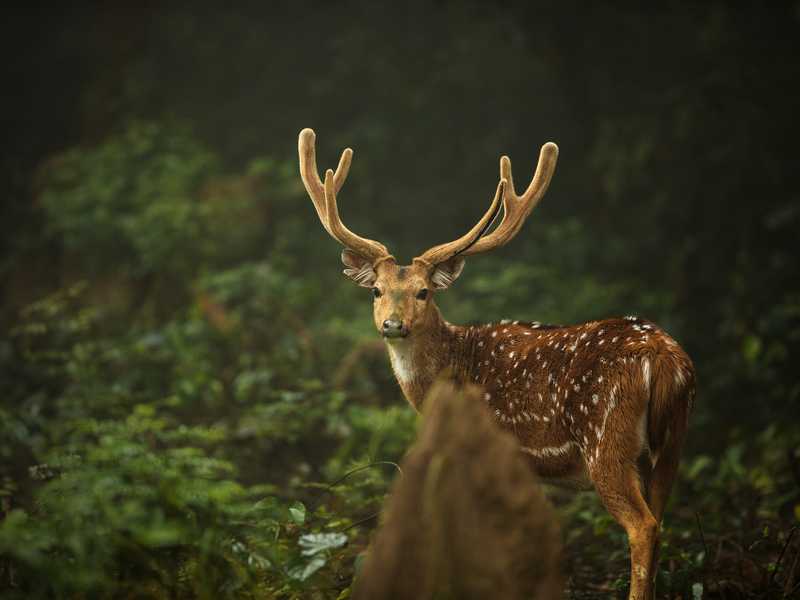
Dudhwa is also home to the rare and reintroduced Indian rhinoceros, which adds to the park’s ecological significance. Other notable mammals include sloth bears, Indian leopards, Asian elephants, spotted deer (chital), and wild boars, all of which contribute to the park’s vibrant ecosystem. These species can often be seen roaming freely across the park’s lush sal forests, expansive grasslands, and riverine landscapes.
The park’s birdlife is equally spectacular, attracting birdwatchers from around the world. With over 450 recorded species, Dudhwa is a haven for avian diversity.
Safari Zones in Dudhwa National Park
Dudhwa Tiger Reserve spans an area of 2,200 square kilometers and includes three protected areas: Dudhwa National Park, Katarniaghat Wildlife Sanctuary, and Kishanpur Wildlife Sanctuary. The reserve offers wildlife enthusiasts access to three main safari zones, each providing a unique experience of the region’s rich biodiversity.
Dudhwa Zone: Known for grasslands and marshy terrain, ideal for spotting barasingha and tigers.
Kishanpur Wildlife Sanctuary: Rich in sal forests, home to leopards and swamp deer.
Katarniaghat Wildlife Sanctuary: A haven for aquatic species and rare sightings of gharials, dolphins, and crocodiles.
Best Time to Visit Dudhwa National Park
The park is open to visitors from 15th November to 15th June. The best time for wildlife viewing is between December and April, when the weather is pleasant and animal sightings are frequent. Avoid visiting during the monsoon, as the park remains closed due to heavy rainfall and muddy terrain.


Types of Safaris at Dudhwa National Park

Jeep Safari: The most popular choice for exploring deep into the jungle.

Boat Safari (Katarniaghat): A serene ride offering views of aquatic wildlife along the Girwa River.
All these above safaris can be booked through Nature Safari India. The top Indian wildlife tour operator. It is a one-stop shop for all of your tiger safari needs in India.
Reasons to Visit Dudhwa National Park
Spot majestic tigers in their natural habitat
Explore pristine, untouched forests of the Terai region
Witness rare and endangered species like the swamp deer and gharial
Enjoy a birdwatcher’s paradise with hundreds of avian species
Indulge in offbeat wilderness away from commercial tourist circuits
Do’s & Don’ts at Dudhwa National Park
Do’s:
Carry a valid ID for entry
Follow the instructions of your safari guide
Wear neutral-colored clothing for camouflage
Maintain silence and respect wildlife
Don’ts:
Avoid littering inside the park
Do not feed animals
No smoking or drinking inside the park
Avoid flash photography
Things to Carry at Dudhwa National Park
- Valid ID proof and park permits
- Binoculars and a good camera
- Sunscreen, hat, and insect repellent
- Water bottle and light snacks
- Warm clothes during winter months
- Field guides or notepad for birdwatching
- Plan your wildlife safari in India
Get a quote for your private wildlife expedition in India
A senior naturalist reviews every enquiry and responds within 12 hours. Unlike automated booking platforms, every itinerary we send is handcrafted around your dates, parks and interests.
- 26+ years of arranging tiger safaris in central India
- Exclusive jeeps and in-house naturalists on every safari
- Maximized sighting chances - India holds 75% of the world's wild tigers - we put you in the right park and zone to see them
- Prefer to talk it through?
Sharad Vats — +91 98112 00094
[email protected]

170 reviews

53 reviews

78 reviews
Guest Testimonials
Our efforts have time and again been recognized by all our guests on TripAdvisor. With reviews that are 100% genuine, you can read them here or head on to our official TripAdvisor page to browse through in detail.
Posted on Tripadvisor Manique G
Verified
Seamless Experience Nature Safari India arranged our safari to Kanha and Pench Tiger Parks in April 2026. My husband and I did not have to worry about anything everything was seamless and professional. Abishek was contactable and responded to queries promplty. Choice of accommodation was very good. Special mention of our naturalist in Kanha Mahesh who ensured that we had the best views of the sightings but equally considerate of others which we liked. His knowledge of the wildlife made the safaris interesting. Nature Safari was also able to arrange an additional safari for me at short notice. I have used Nature Safari before and will certainly use them again.Posted on TripadvisorErin KAmazing experience! We were amazed how many puzzle pieces it takes for this adventure to come together. Everyone we interacted with from Nature Safari helped make our trip memorable. From Pritam who greeted us to Alam, one of our guides, to Gulab who helped complete our journey. Everyone was friendly and super knowledgeable. The travel from one park to another is an experience unto itself and we felt completely safe with every driver! They even handled a flight change that happened while we were travelling and it did not affect our vacation at all!!! This is vacation for anyone; from children to grandparents, I guarantee everyone will be impressed!Posted on TripadvisorToh JCThe leader in tiger Safari Did the Just tigers and Golden Triangle tour with Nature Safari India (NSI) in april What a wonderful experience this had been. Pre trip, booking & communication with Ishana was excellent. All my queries were answered fast. The itinerary she put together for me was perfect. Airport transfer were seamless. Thank you pratim. For the golden triangle tour, the 3 stars accomodation option totally exceeded my expectations. The heritage hotel in Delhi and Jaipur add to the cultural experience. The Guides were great. Mr Ram, my private driver is hard working and diligent. Always on time, he navigate the insane traffic of India with ease, getting me from point to point safely. Thank you Mr Ram. Did 4 national parks (Corbett, Pench, Kanha and Bandhavgarh) and in total I got 30 tiger sightings over 22 Safari drives!!! A job well done to all the Naturalists and guides. The vehicles are kept clean, they know the forest inside out, and all have keen eyes to spot tigers hidden in the thick vegetation. Their professionalism and ethics are exemplified by the fact that they follow parks rules (No phones/no speeding) while others are not. You can tell that they enjoy working with NSI. Special mention to Ajwet and JP from Bandhavgarh. Their teamwork, chemistry and experience together got me 17 sightings in 2 days. Their ability to predict the tigers movement and behaviour ( close to 99% accuracy) astounded me. Got many exclusive quality sightings of tiger crossing my path. In a particular incident where we were enjoying a quiet moment with a lone male tigers on a narrow path in tala zone with 2 other vehicles, words got out and soon, things turned pretty ugly. 20 vehicles came speeding, front and back, surrounding us and the tiger. Drivers behind were shouting at us to get out of the way. Guides were cat calling to get the tiger attention to look in their direction. Other tourists were using their phones for photography. The tiger was just metres away and started growling. I felt uncomfortable with the situation. I requested Ajwet to forgo the sighting and get me out asap. We managed to get out safely and fast amidst the chaos. Other than the safari drive in Bandhavgarh, we visited other point of interest in the park like the fort. One particular site call "charger point" stood out. Ajwet shared stories of the tigers who had roam the park at "charger point" and it was a joy listening to them. It adds depth to the safari experience. Thank you Ajwet and JP In Corbett, I stayed in Gairal rest house. Facilities are basic and all amenities are provided by NSI. For the other safaris, 3 stars accomodation are good (jungle camp pench, jungle camp Kanha, tiger dens) and I could not find any fault with them. For any future safari trip in India, I will definitely use NSI services again. NSI is without the doubt the leader in tiger safari in India. I hope the safari ethics in India will improve with time, benefitting both animals and tourism.Posted on TripadvisorPhil and Janet OExcellent and memorable safaris across 3 National Parks. Love those tigers! My wife and I booked with Nature Safari India on the recommendation of friends. Over a couple of weeks we had 9 days (18 safaris) 3 days each at Pench, Kanha, and Bandhavgarh National Parks. The tigers (our main focus) are wild animals, free to roam; they do not turn up to order. Nevertheless, we had some amazing encounters / sightings across all three National Parks. We saw tigers crossing and walking along the road, a tigress lounging in the middle of the road, and a tiger sleeping off a meal, the remains of the kill nearby. One tigress passed within 5 metres of our car, untroubled by us and intent on walking her territory. In addition to tigers, we lucky enough to have two leopard sightings in Pench where we also saw wild dogs. There were numerous deer and antelope, monkeys, and a myriad assortment of birds. We had knowledgeable guides and brilliant drivers at each park who helped us identify different species. Our accommodation was always of a high quality. Our whole trip was expertly planned and put together by Ishana. Ishana is an excellent communicator. We had an amazing experience and thoroughly recommend the services of this long established business.Posted on Tripadvisor894elkedWonderfull It was a pleasure traveling with Nature Safari. There were no worries throughout the entire trip, and you truly feel welcome—they listen to your wishes and do everything to ensure you have a pleasant journey. Before the trip, there was a lot of communication via WhatsApp to tailor everything to our preferences, and they were always available to answer any questions. During the trip, we also had the pleasure of having a fantastic driver who told us so much about the country, its culture, its customs, and even things you won’t find in a travel guide. The local guides also did their best to provide as much information as possible about the culture. We did find some to be better than others, but that’s not something Nature Safari can control. We were also lucky—thanks in part to their efforts—to spot two tigers, which made the experience even more special. If you’re planning a trip to India, I can truly recommend traveling with them.Posted on TripadvisorSydneyAdiAnother great wildlife safari Three years after our last trip we ventured to India once more to indulge in Wildlife - this time Lions of Gir, tigers of Corbett, Rhino’s etc of Kaziranga. We saw focus animals on each drive and none of them disappointed. Excellent naturalist guides in all three parks. The lions were fabulous, even saw young cubs, and thanks to a sharp eyed guide, a leopard (our first and only over two trips to India) in first half hour whilst it was still dark! Corbett was to also include some focus on Jim Corbett (his houses, Nainital) as well as tigers. We had the same guide as in 2023, who again was excellent. One hiccup was missing out on one safari because of a mismatch for the opening hours for the Jim Corbett museum and Nainital. Instead we were taken down to river for a birding walk, with an amount refunded. Nainital is a beautiful hill town, and very glad to have done that as we had not included any additional sightseeing to our itinerary. The Corbett museum was good though tired but could be a whole lot better - think museum studies uni students etc becoming involved. Jim Corbett national park and Dhikala lodge were excellent. Tiger sightings on each drive- including a tiger swimming/walking across the river and also a tiger drinking from a water source on the road in front of us. Those guides just know where the tigers will come out of the forest or grassland. In Kaziranga we saw sooo many rhino’s, and maybe 2 days would be sufficient, but we went to different locations and over the three days saw rhinos elephants, deer, monkeys, many birds, and even lucky to see “the golden tiger”. Our hotel was wonderful, food was delicious and we even organised a couple of massages in our room. All in all another successful trip organised by Nature Safari India.Posted on TripadvisorGary BTiger safari and tours of major cities. Absolutely perfect. Everything was planned and arranged with precision and care. We first toured Kanha National Park and saw tigers - lots and lots of tiger sightings - while never guaranteed, our success rate was high. We then explored Bandhavgarh National Park with our guide Ragu (32 years of experience in the Park) and our tiger sightings and wildlife viewing was even better. Finally, we toured Delhi, Agra and Jaipur. All accommodations were incredible as were the transfers between all locations. If you are considering a wildlife/tiger safari to India or touring the major cities/attractions, you should use Nature Safari of India, without a doubt.Posted on TripadvisorNavigate34004106819Trip of a lifetime Our trip to India was amazing, truly unforgettable. Nature Safari India took care of everything, and Ishana made the whole process smooth and stress-free. We loved the mix of city life, culture, and wildlife: Mumbai with its stunning views, safaris in Pench, Kanha, and Bandhavgarh (saw incredible wildlife), and the Golden Triangle with Delhi, Agra, and Jaipur. Every hotel was comfortable and welcoming, and the guides and drivers were not only professional but genuinely kind. India itself completely stole our hearts, the energy, the chaos, the colors, and especially the warmth of the people. We came home with memories we’ll treasure forever. Big thanks to Ishana and the team. We’ll definitely be back!Posted on TripadvisorMElliott_51Memorable time in India. This compnay did an amazing job of making our trip memorable. The organised everything to suit our requests. We had exceptional accommodation and service. Our safaris were successful with wildlife sightings. I would recommend them with our hesitation.Posted on TripadvisorAlessandro PaolucciFantastic Tiger Safari We had a great time in India across three different National Parks (Pench, Kanha, and Bandhavgarh). Ishana at Nature Safari India organised a great trip, was very responsive and helpful throughout the booking process as well as when we were in India, and went above and beyond in helping us deal with some last minute changes after everything was already booked. Truly a great service. In every National Park we had an experience guide and a driver who knew a lot about the local wildlife and helped us see and identify a lot of animals and birds. Overall we saw nine different tigers, including some very close encounters. The hotels recommended were incredible: the Pench Jungle Camp had a great jungle vibes, the Meru Vann in Kanha is run directly by Nature India Safari and has the most amazing staff (shout outs to the manager Okmar and our guide Mahesh), and Untamed Bandhavgarh is truly an immersive experience being really at the border of the safari area. All staff was super helpful and the food was great. Would definitely go back and book again with Nature India Safari.

