

From the icy reaches of Tibet to the lush plains of Assam and onward to the vast delta of Bangladesh, the Brahmaputra is more than just a river. It is a force of nature, a giver of life, a destroyer in flood, and a source of myths, history, and biodiversity. In India, particularly in the northeastern state of Assam, the Brahmaputra commands reverence not just for its breadth and power but also for the unique ecosystems, cultural landmarks, and communities that line its banks.
Let us embark on a journey along the Brahmaputra—one that flows through sacred islands, swims with endangered dolphins, and now charts a course into the future as a national waterway.
The River of Many Names and Origins
The Brahmaputra is one of the few rivers in the world that is referred to with a masculine name. In Tibet, it originates as the Yarlung Tsangpo, near the sacred Mount Kailash, flowing eastward through rugged Himalayan gorges. It takes a dramatic U-turn at the Namcha Barwa peak and enters Arunachal Pradesh in India as the Siang, eventually merging with other streams to become the Brahmaputra in Assam. As it flows into Bangladesh, it is known as the Jamuna, finally merging with the Ganga and emptying into the Bay of Bengal through the vast Sundarbans delta.
Each name reflects a different cultural and geographical identity. In Indian mythology, Brahmaputra is believed to be the son of Brahma, the creator, and its waters are considered sacred. Its journey through multiple nations and regions makes it one of the most transboundary rivers in the world—a lifeline that connects diverse ecosystems, faiths, and histories.

Majuli and Umananda: Islands of Myth and Might
What makes the Brahmaputra stand apart from other major rivers is its islands, both enormous and minuscule each with a tale of its own.
Majuli: The World’s Largest Inhabited River Island
Nestled in the upper reaches of Assam, Majuli is more than just the world’s largest inhabited river island, it is a cultural haven. Sprawling over an area of around 352 square kilometers (and shrinking due to erosion), Majuli is a center of Neo-Vaishnavite culture, propagated by the 15th-century saint Srimanta Sankardeva. The island is home to satras (Vaishnavite monasteries), where devotional music, dance, and art thrive.
But Majuli is not only a spiritual refuge. It supports a rich ecological landscape—seasonal wetlands, marshes, and grasslands make it a haven for migratory birds and aquatic biodiversity. The Mishing tribe, one of the indigenous groups living on the island, maintains a deep connection with the river and its rhythms. However, erosion and flooding pose a constant threat, swallowing land and displacing communities almost every year.
Umananda: The Smallest Inhabited Island on the Brahmaputra
Downstream, in the heart of Guwahati city, sits Umananda Island striking contrast to Majuli. Claimed to be the smallest inhabited river island in the world, Umananda spans barely a few acres. It is known primarily for the Umananda Temple, dedicated to Lord Shiva, perched atop a hillock known as Bhasmakala.
Umananda once hosted a small group of golden langurs, an endangered primate species native to Bhutan and western Assam. These langurs were not naturally found on the island but were brought from Kokrajhar by the temple priests. Over time, due to poor habitat conditions and lack of proper care, all of them died making this a sobering example of well-meaning but misguided human intervention.
Today, Umananda is a popular ferry stop for pilgrims and tourists alike. It offers panoramic views of the Brahmaputra and a moment of calm amidst the urban bustle of Guwahati. Yet, it also reflects the delicate balance between cultural tourism and conservation.
Biodiversity Along the Brahmaputra: A River Teeming with Life
Despite being one of the most flood-prone and sediment-rich rivers in the world, the Brahmaputra sustains an astonishing diversity of life. From the grassland floodplains of Kaziranga, home to the iconic one-horned rhinoceros, to the swampy forests of Dibru-Saikhowa, where feral horses roam—this river system is a vital corridor for wildlife.

The Brahmaputra Valley is home to several endangered species, including:
- Indian one horned rhinoceros
- Bengal tiger
- Asian elephant
- Eastern swamp deer
- Hoolock gibbon
- Pygmy hog
- Bengal florican
- Softshell turtles
But the most iconic aquatic resident of the Brahmaputra is the Ganges River Dolphin.
The Elusive River Dolphin: Brahmaputra’s Gentle Swimmer
Known locally as Susu or Xihu, the Ganges River Dolphin (Platanista gangetica) is an endangered species found in the freshwater stretches of the Ganga and Brahmaputra River systems. These blind yet graceful mammals rely on echolocation to hunt fish and navigate the river’s murky waters.
The Brahmaputra, particularly the stretch from Dibrugarh to Dhubri, supports a significant population of these dolphins. Being apex predators, their presence is a strong indicator of river health. Sadly, like many other aquatic species, they face a slew of threats:
- Accidental entanglement in fishing nets
- Habitat fragmentation due to dams and barrages
- Depletion of prey base
- Noise and chemical pollution from urban and agricultural runoff
Conservation efforts have included awareness campaigns, regulation of mechanized fishing in key stretches, and inclusion in India’s Schedule I species under the Wildlife Protection Act. But more holistic, basin-wide strategies are needed—ones that involve river-dependent communities as stakeholders in dolphin survival.
National Waterway 2: The Brahmaputra as a Corridor of Commerce
Recognizing the river’s potential for inland water transport, the Indian government designated the Brahmaputra as National Waterway 2 (NW-2) in 1988. Stretching approximately 891 kilometers from Sadiya to Dhubri, NW-2 has become a strategic corridor for cargo movement in the Northeast.
From transporting tea, coal, and food grains to enabling eco-tourism cruises and ferry services, the Brahmaputra is emerging as a viable alternative to road and rail transport. The Inland Waterways Authority of India (IWAI) is working to modernize terminals, develop river ports, and improve navigability, even during lean seasons.
While the economic promise is real, environmental safeguards are essential. Dredging, bank modification, and vessel traffic can disrupt aquatic life, especially sensitive species like dolphins and turtles. Therefore, a balanced model—where navigation coexists with conservation—is the need of the hour.

A River of Stories: Myths, Faith, and Festivals
For centuries, the Brahmaputra has nurtured not only civilizations but also spiritual life. In Guwahati, the Kamakhya Temple, perched on the Nilachal Hills, draws lakhs of devotees annually, especially during the Ambubachi Mela, a festival celebrating feminine energy and fertility. Many believe that the river turns red during this time, symbolizing the goddess’s menstruation.
Folk tales speak of hidden treasures in the river’s depths, of spirits that guide fishermen, and of naga maidens who live beneath its surface. For tribal communities along its banks, the river is an ancestor, a provider, and a punisher.

Challenges and the Road Ahead
The Brahmaputra is as unpredictable as it is powerful. Annual floods cause widespread destruction, displacing thousands and eroding landmass at alarming rates. Climate change is altering rainfall patterns and glacial melting, leading to higher volumes of water and sediment.
Hydropower projects in Arunachal Pradesh and upstream in China add to the geopolitical complexity of the river’s future. While such projects promise energy and economic gain, they also risk fragmenting ecosystems and altering flow regimes critical to life downstream.
Efforts must focus on sustainable development, ecological research, and transboundary cooperation. Community-led initiatives like river clean-ups, wildlife-friendly fishing practices, and wetland restoration are already showing promise.
Conclusion: A River that Connects and Challenges
The Brahmaputra is more than a river. It is a flowing library of stories, species, and survival. From Majuli’s spiritual rhythm to Umananda’s quiet endurance, from the gliding dolphins to the boats navigating its waters, the Brahmaputra tells us that no system is too vast to protector too sacred to ignore.
Its challenges are great, but so is its power to unite. If we learn to listen to its flow, understand its floods, and honor its life forms, we can ensure that this mighty river continues to give, as it always has—for generations past and for the many more to come
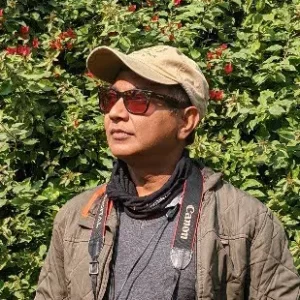
Mr. Vibhav Srivastava is a seasoned wildlife biologist and ecotourism professional with over 20 years of experience across wildlife research, forest management, conservation education, and sustainable tourism in India.
Currently at Nature Safari India, he curates immersive wildlife experiences, leads conservation communication, and designs educational outreach programs. His expertise spans both in-situ and ex-situ conservation, with extensive field work in all major wildlife landscapes of Central, Northern, Eastern, and Southern India. Notable contributions include all-India tiger monitoring with the Wildlife Institute of India, community-based conservation initiatives, and training forest staff and nature guides.
He has held key roles with RARE India, National Zoological Park (New Delhi), Le Passage to India, Tiger Protection Group, and served as Chief Naturalist at Kanha National Park, deepening his expertise in biodiversity conservation and human-wildlife interactions.
An accomplished educator and communicator, Mr. Srivastava has delivered over 30 lectures at prestigious institutions including Delhi University, BHU, Amity University, and IITTM. He is a published author and researcher, with co-authored books, scientific publications, and paper presentations at national seminars. His work consistently bridges conservation science, community engagement, and responsible tourism.
He holds a Master’s degree in Botany, has received professional training from the Wildlife Institute of India, and was nominated among the top five naturalists in India for the TOFT Best Naturalist Award.
