
India, with its rich tapestry of cultures, traditions, and religions, is home to a multitude of vibrant festivals that captivate the senses and celebrate the country’s diversity. From the dazzling lights of Diwali to the riotous colors of Holi, the grandeur of Durga Puja, the bustling trade at the Pushkar Camel Fair, the joyous fervor of Ganesh Chaturthi, and the ethereal beauty of Dev Deepawali, each festival offers a unique glimpse into the heart and soul of India. In this article, we embark on a journey through some of India’s most iconic festivals, exploring their rituals, significance, and the cultural heritage they embody. Join us as we delve into the kaleidoscope of colors, traditions, and festivities that define the essence of India’s cultural extravaganza.
Diwali: The Festival of Lights
Significance: Diwali, the Festival of Lights, is one of the most celebrated Indian festivals, symbolizing the victory of light over darkness and good over evil. It marks the return of Lord Rama to Ayodhya after 14 years of exile and his victory over the demon king Ravana. Diwali is also associated with the worship of Goddess Lakshmi, the deity of wealth and prosperity.
How It’s Celebrated: Diwali celebrations span five days, beginning with Dhanteras and culminating with Bhai Dooj. Homes are cleaned and decorated with colorful rangoli designs, oil lamps (diyas), and fairy lights. Families perform religious rituals (pujas), exchange gifts and sweets, and enjoy festive meals. Fireworks illuminate the night sky, adding to the joyous atmosphere.
Unique Regional Variations: While Diwali is celebrated across India, each region has its unique traditions. In North India, the focus is on the story of Rama and Sita, with grand fireworks displays. In West Bengal, the festival coincides with Kali Puja, dedicated to Goddess Kali. In the southern states, such as Tamil Nadu, Diwali starts with an early morning oil bath and is celebrated as Naraka Chaturdashi, marking Lord Krishna’s victory over the demon Narakasura.
Places in India to Celebrate Diwali:
- Jaipur: Known for its beautifully illuminated palaces and bustling markets, Jaipur is a vibrant place to experience Diwali. The Pink City comes alive with lights, cultural performances, and festive fervor.
- Jodhpur: The blue city of Jodhpur offers a unique Diwali experience with its traditional celebrations, including folk music and dance, against the backdrop of the majestic Mehrangarh Fort.
- Delhi: The capital city celebrates Diwali with great enthusiasm, featuring elaborate decorations, dazzling light displays, and numerous fairs and events. The Akshardham Temple and the bustling markets like Chandni Chowk are must-visit spots during the festival.
- Kolkata: In Kolkata, Diwali coincides with Kali Puja. The city is adorned with stunning lights and decorations, with major celebrations taking place at the Dakshineswar and Kalighat temples. The streets are vibrant with cultural performances and festive bazaars.
- Udaipur: The City of Lakes, Udaipur, offers a picturesque Diwali celebration with its lakeside palaces and temples illuminated beautifully. The city hosts cultural events, and fireworks light up the night sky, reflecting off the serene waters of Lake Pichola.
Diwali, with its rich cultural significance, diverse celebrations, and vibrant atmosphere, truly embodies the spirit of Indian festivals.
Also Read : Must Visit Heritage Forts
Holi: The Festival of Colors
Traditions: Holi, the Festival of Colors, is one of the most vibrant and joyous Indian festivals, symbolizing the arrival of spring and the triumph of good over evil. Celebrations begin with Holika Dahan on the eve of Holi, where bonfires are lit to commemorate the burning of the demoness Holika. The next day, people gather to play with colored powders (gulal) and water, sing and dance to traditional songs, and enjoy festive foods like gujiya and thandai. It’s a time of social harmony, where people come together to celebrate, forgive past grievances, and renew friendships.
Popular Places to Celebrate:
- Mathura and Vrindavan: The birthplace and childhood home of Lord Krishna, Mathura and Vrindavan host some of the most famous Holi celebrations, with week-long festivities that include temple rituals, processions, and exuberant color play.
- Jaipur: Known for its grand and organized Holi events, Jaipur offers a royal touch to the celebrations with local cultural performances, traditional music, and dance.
- Delhi: The capital city’s Holi parties are renowned for their vibrant atmosphere, featuring music, dance, and an abundance of colors. Various events and gatherings take place across the city.
- Barsana: Near Mathura, Barsana celebrates Lathmar Holi, where women playfully hit men with sticks, recreating the playful antics of Radha and Krishna.
Safety Tips for Visitors: To enjoy Holi safely, visitors should use natural and organic colors to avoid skin irritation and allergies. Wearing old clothes and applying oil or moisturizer to the skin can protect against staining and dryness. It’s also advisable to protect the eyes and hair by wearing sunglasses and tying up long hair. Staying hydrated and cautious in large crowds helps prevent dehydration and injuries. Participating in organized events and avoiding unfamiliar areas can ensure a safe and enjoyable experience.
Holi, with its colorful exuberance and cultural significance, offers a unique and unforgettable experience, making it one of the most cherished Indian festivals.

Durga Puja & Navratri: Celebrating the Divine Feminine
Rituals: Durga Puja, one of the grandest Indian festivals, celebrates the victory of Goddess Durga over the demon Mahishasura, symbolizing the triumph of good over evil. The festival spans over ten days, with the last five days—Shashthi, Saptami, Ashtami, Navami, and Vijayadashami—being the most significant. Rituals include the installation of elaborately crafted idols of Goddess Durga in beautifully decorated pandals (temporary structures), daily prayers (aarti), and offerings (bhog). The rituals culminate on Vijayadashami, when the idols are immersed in rivers or other water bodies, symbolizing the goddess’s return to her heavenly abode.
Major Places to Celebrate
- Kolkata: Kolkata, the cultural capital of India, is renowned for its grand and elaborate Durga Puja celebrations. The entire city transforms into a vibrant festival ground, with stunningly decorated pandals, thematic displays, and dazzling lights.
- Gujarat: In Gujarat, Durga Puja is celebrated with great enthusiasm, especially in cities like Ahmedabad and Vadodara. The festivities here are marked by the energetic and colorful dance form known as dandiya, where people gather to dance in circles with sticks, creating a mesmerizing rhythm.
Other places to celebrate include West Bengal’s smaller towns, such as Siliguri and Asansol, as well as metropolitan areas like Delhi and Mumbai, where Bengali communities replicate the grandeur of Kolkata’s celebrations.
Cultural Performances: Durga Puja is not just a religious festival but a cultural extravaganza. It features traditional music and dance performances, including classical forms like Kathak and Bharatanatyam, regional dances such as Dhunuchi Naach performed with incense burners, and the energetic and colorful dance form known as dandiya. Dandiya, originating from Gujarat, involves participants forming circles and striking wooden sticks in synchronized movements to the beat of traditional folk music. The dance is characterized by fast-paced footwork, vibrant costumes adorned with mirror work and embroidery, and the rhythmic clinking of dandiya sticks. The festival also showcases drama, poetry recitals, and contemporary cultural shows, blending ancient traditions with modern creativity. Local clubs and cultural organizations often organize competitions and exhibitions, making it a time of artistic expression and community engagement.
Durga Puja, with its profound religious rituals, spectacular cultural performances, and the unparalleled enthusiasm of major locations like Kolkata and Gujarat, stands out as one of the most vibrant and culturally significant Indian festivals.

Pushkar Camel Fair: A Unique Blend of Tradition and Trade
Rituals: The Pushkar Camel Fair, held annually in the holy town of Pushkar, Rajasthan, is a vibrant celebration of culture, tradition, and commerce. The fair coincides with the Kartik Purnima (full moon) and is centered around the sacred Pushkar Lake, where pilgrims gather to take a ritual dip and seek blessings. The fair begins with ceremonial rituals performed by priests and Sadhus, invoking the blessings of the deities for a successful event.
Activities: The Pushkar Camel Fair is renowned for its bustling markets, where traders from all over Rajasthan gather to buy, sell, and trade livestock, particularly camels. The fairgrounds come alive with colorful tents, lively music, and a myriad of stalls selling handicrafts, textiles, and traditional Rajasthani cuisine. One of the main attractions is camel trading, where thousands of camels are paraded, adorned, and auctioned off to buyers. Cultural events such as folk music and dance performances, camel races, and competitions add to the festive atmosphere.
Cultural Significance: The Pushkar Camel Fair holds immense cultural significance as it provides a platform for rural communities to showcase their traditions, craftsmanship, and way of life. It serves as a meeting point for people from diverse backgrounds to come together, exchange goods and ideas, and celebrate their shared heritage. The fair also plays a vital role in preserving traditional skills and supporting local economies, making it an integral part of Rajasthan’s cultural landscape.
How to Participate: Visitors can immerse themselves in the vibrant ambiance of the Pushkar Camel Fair by exploring the various activities and attractions. They can witness the colorful processions, interact with local artisans, enjoy camel safaris, and savor the flavors of Rajasthani cuisine. Participation in cultural performances, such as folk dances and music recitals, provides an opportunity to experience the rich cultural heritage of Rajasthan firsthand. Additionally, attending workshops and seminars on traditional crafts and skills offers insights into the region’s cultural legacy and craftsmanship.
The Pushkar Camel Fair, with its blend of tradition, trade, and cultural festivities, offers a unique and enriching experience that showcases the essence of rural Rajasthan and its vibrant cultural tapestry.

Ganesh Chaturthi: A Unique Blend of Tradition and Trade
Processions: Ganesh Chaturthi, celebrated across India as the birthday of Lord Ganesha, the remover of obstacles, is marked by colorful processions and elaborate rituals. The festival begins with the installation of intricately crafted clay idols of Lord Ganesha in homes and public pandals. These idols are worshipped with fervor, accompanied by prayers, hymns, and offerings of sweets and flowers. The highlight of the festival is the immersion procession, known as Visarjan, where devotees carry the idols through the streets amidst music, dance, and chants, before immersing them in bodies of water.
Major Cities for Celebration: Ganesh Chaturthi is celebrated with great enthusiasm in several major cities across India, with Mumbai, Pune, and Hyderabad being notable centers of festivities. Mumbai, in particular, hosts some of the grandest celebrations, with elaborate pandals, towering idols, and vibrant street processions that attract millions of devotees and tourists from around the world. In Pune, the festival is marked by community gatherings, cultural performances, and competitions, while Hyderabad showcases its unique blend of tradition and modernity with innovative pandal designs and eco-friendly initiatives.
Eco-Friendly Practices: In recent years, there has been a growing emphasis on eco-friendly practices during Ganesh Chaturthi to reduce environmental impact. Many communities have adopted the use of clay idols and natural materials for decorations, avoiding harmful chemicals and non-biodegradable substances. Additionally, initiatives such as artificial immersion tanks, where idols are dissolved in water without polluting natural water bodies, and promoting eco-conscious behavior among devotees have gained momentum, fostering a sense of environmental responsibility alongside religious fervor.
Ganesh Chaturthi, with its vibrant processions, fervent worship, and community spirit, epitomizes the rich cultural tapestry of India. As the festival continues to evolve, blending tradition with contemporary practices and environmental consciousness, it serves as a symbol of resilience, unity, and reverence for nature.
Also Read : Festivals of Northeast India
Dev Deepawali in Varanasi
Celebration: Dev Deepawali, celebrated in the holy city of Varanasi, is a spectacular festival that marks the victory of light over darkness. It falls on the full moon day of Kartik month, fifteen days after Diwali, and is dedicated to the river gods, especially Lord Shiva and Goddess Ganga. The festival is celebrated with grandeur, featuring thousands of clay lamps (diyas) placed along the ghats (river banks) of the Ganges, creating a mesmerizing sight as the entire riverfront is illuminated with flickering lights. Devotees also perform elaborate rituals, including prayers, hymns, and offerings to the river, seeking blessings for prosperity and purification.
Significance: Dev Deepawali holds immense spiritual significance in Varanasi, as it is believed that on this day, the gods descend to the Earth to bathe in the sacred waters of the Ganges. It is considered auspicious to take a holy dip in the river during Dev Deepawali, as it is believed to cleanse sins and bestow divine blessings. The festival also symbolizes the devotion of the people towards the river, which is revered as a goddess and a source of life and salvation.
Tourist Attraction: Dev Deepawali in Varanasi is a major tourist attraction, drawing visitors from across the country and around the world to witness the breathtaking spectacle. The ghats of Varanasi come alive with cultural performances, including classical music and dance recitals, as well as spiritual discourses and boat rides along the river. Tourists can immerse themselves in the vibrant ambiance of the festival, capturing the enchanting moments of the illuminated ghats and participating in the rituals and festivities.
Dev Deepawali in Varanasi is not just a festival but a divine experience that transcends time and space, connecting devotees to the eternal flow of the Ganges and the spiritual essence of Varanasi, the city of light and liberation.

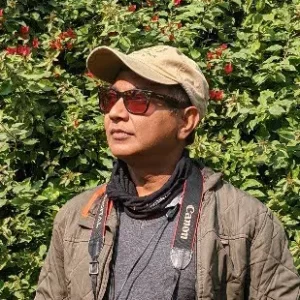
Mr. Vibhav Srivastava is a seasoned wildlife biologist and ecotourism professional with over 20 years of experience across wildlife research, forest management, conservation education, and sustainable tourism in India.
Currently at Nature Safari India, he curates immersive wildlife experiences, leads conservation communication, and designs educational outreach programs. His expertise spans both in-situ and ex-situ conservation, with extensive field work in all major wildlife landscapes of Central, Northern, Eastern, and Southern India. Notable contributions include all-India tiger monitoring with the Wildlife Institute of India, community-based conservation initiatives, and training forest staff and nature guides.
He has held key roles with RARE India, National Zoological Park (New Delhi), Le Passage to India, Tiger Protection Group, and served as Chief Naturalist at Kanha National Park, deepening his expertise in biodiversity conservation and human-wildlife interactions.
An accomplished educator and communicator, Mr. Srivastava has delivered over 30 lectures at prestigious institutions including Delhi University, BHU, Amity University, and IITTM. He is a published author and researcher, with co-authored books, scientific publications, and paper presentations at national seminars. His work consistently bridges conservation science, community engagement, and responsible tourism.
He holds a Master’s degree in Botany, has received professional training from the Wildlife Institute of India, and was nominated among the top five naturalists in India for the TOFT Best Naturalist Award.
