

Voluntourist—combining travel with volunteering—has become increasingly popular among those looking to make a meaningful impact while exploring new places. Whether it’s assisting local communities, supporting environmental conservation, or helping protect wildlife, voluntourism offers unique opportunities to connect with different cultures and causes. Below are tips on how to effectively engage in voluntourism, with a special focus on wildlife voluntourism in India.
Understanding Voluntourism and Its Purpose
Voluntourism is not just about traveling; it’s about immersing yourself in meaningful work that benefits the host community or environment. Before embarking on a voluntourism experience, take the time to understand the goals of the organization or program you’re joining. Reflect on how your skills and passions align with its mission.
- Research: Learn about the organization’s mission, the region where it operates, and the challenges it addresses. Ethical voluntourism is rooted in sustainable practices that prioritize long-term benefit over short-term gains.
- Ask Questions: Ensure the program is ethical and sustainable, prioritizing the welfare of the community and environment. Tools like reviews and testimonials from previous volunteers can help you assess credibility.
When researching, look into partnerships with local communities and transparency in funding allocation. A well-established program should reflect its commitment to the cause through clear communication and measurable outcomes.
Wildlife Voluntourism Opportunities
One of the most impactful ways to engage in voluntourism is by contributing to wildlife conservation. India, known for its rich biodiversity, offers several opportunities for wildlife voluntourists. These programs are ideal for those passionate about protecting endangered species and preserving natural habitats.

Wildlife SOS
Wildlife SOS, based in India, focuses on the rescue and rehabilitation of wildlife, including elephants, bears, and leopards. Voluntourists can participate in activities such as preparing the food for animals, helping with enrichment activities, and supporting educational outreach. Wildlife SOS also provides a chance to learn about human-wildlife conflict in India and its solutions.
Other Wildlife Voluntour Opportunities in India
India’s expansive landscape is home to a wide range of conservation programs. From the dense jungles of Madhya Pradesh to the serene coasts of Kerala, opportunities abound for voluntourists to leave a lasting impact.
- Corbett Tiger Reserve: Engage in conservation projects aimed at protecting tigers and other wildlife. Volunteers may assist in habitat restoration, help in making community structures or educating local communities about the importance of tiger conservation.
- Kanha National Park: Volunteer in biodiversity research, wildlife monitoring outside the core of the reserve, community engagement, interact and education the local kids, help in making community structures on community land. Plantation of native species of trees on degraded land and interaction with local school kids is one of the most attractive and useful volunteer opportunities. Kanha is renowned for its focus on scientific approaches to habitat preservation.
- Sea Turtle Conservation: Help local organizations along India’s coastlines in rescuing and rehabilitating sea turtles. These programs offer hands-on experience in monitoring nesting sites, releasing hatchlings, and raising awareness among local fishermen.
- Involve in the rehabilitation of the local communities known previously as poaching community in Ranthambore.
India is also home to sanctuaries dedicated to the protection of birds, reptiles, and aquatic species. Consider reaching out to regional non-profits to learn about niche wildlife projects tailored to your interests.
Identifying How You Can Contribute
To make the most of your voluntourism experience, assess your skills and how they can benefit the program. Wildlife voluntourism often requires tasks ranging from physical labor to educational efforts.
- Assess Your Strengths: Consider whether you’re better suited for hands-on activities, administrative tasks, or creative projects. Each skill set brings unique value, whether it’s guiding eco-tours or producing educational materials.
- Match Your Passion: Voluntour with causes you genuinely care about, whether it’s rescuing elephants or conserving marine life. Personal resonance with the mission ensures deeper commitment and satisfaction.
For those without prior experience in conservation, many programs offer training sessions that equip volunteers with the necessary knowledge and skills to contribute effectively.

Commitment to Responsible Travel
Effective voluntourism begins with traveling responsibly. This means minimizing your environmental footprint and respecting the culture and traditions of your host community.
- Reduce Waste: Use eco-friendly products and minimize single-use plastics during your travels. Carry reusable water bottles and participate in on-site recycling initiatives.
- Respect Local Customs: Learn about the region’s cultural norms to ensure your actions are considerate and appropriate. Understanding local traditions enriches your experience and fosters stronger connections with the community.
Additionally, make travel choices that support the local economy. Opt for eco-friendly accommodation and locally-owned businesses to contribute directly to the region’s development.
Communication Is Essential
As a voluntourist, clear and proactive communication is crucial for understanding your responsibilities and ensuring your efforts align with the program’s needs.
- Stay Engaged: Regularly check in with coordinators to ensure you’re meeting expectations. Effective communication avoids misunderstandings and helps you adapt to evolving program needs.
- Be Transparent: If you face challenges or need adjustments to your schedule, communicate openly. Honesty ensures a positive working relationship and smoother execution of tasks.
Building Relationships with Fellow Volunteers
Voluntourism allows you to meet like-minded individuals from around the world. Building strong relationships creates a supportive and collaborative environment, enhancing experience for everyone.
- Collaborate: Work closely with other volunteers to share ideas and effectively achieve shared goals. Teamwork fosters creativity and ensures diverse perspectives are considered.
- Foster Respect: Celebrate the diversity of cultures and perspectives within your group. Respectful interactions build trust and camaraderie.
Some programs offer group activities such as excursions or workshops, which provide opportunities for volunteers to bond and share experiences.

Balancing Exploration and Commitment
While voluntourism offers opportunities to travel and explore, it’s essential to balance adventure with responsibility. Prioritize the tasks you’ve committed to while taking advantage of free time to immerse yourself in the local culture.
- Plan Wisely: Allocate time for sightseeing without compromising your volunteer duties. Use weekends or designated off-days for leisure activities.
- Learn Locally: Use your downtime to engage with the community and gain a deeper understanding of local traditions. Attend cultural events, markets, or workshops to enhance your connection to the region.
Reflecting and Advocating
After your voluntourism experience, take time to reflect on your contributions and how they’ve affected you personally. Share your journey and advocate for the cause to inspire others.
- Document Your Experience: Share stories, photos, and insights to raise awareness about the program. Use social media or blogs to highlight success stories and lessons learned.
- Encourage Others: Recommend ethical voluntourism programs to family and friends. Advocating for sustainable initiatives ensures continued support for impactful projects.
Many voluntourists choose to stay connected with the organization by donating or participating in future programs.
Conclusion
Voluntourism is a powerful way to combine travel with meaningful action. Whether you’re rescuing wildlife in India, supporting conservation efforts abroad, or engaging in local community development, a thoughtful approach to voluntourism ensures your actions leave a lasting impact. By choosing ethical programs, respecting local customs, and committing wholeheartedly to your responsibilities, you can make your journey unforgettable for yourself and the world. Visit our CSR page to know more about wildlife conservation programs.
images credit: Earth Focus Gallery
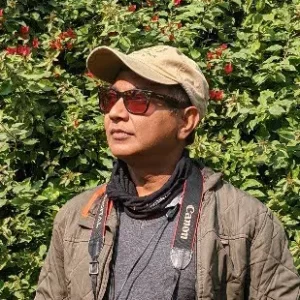
Mr. Vibhav Srivastava is a seasoned wildlife biologist and ecotourism professional with over 20 years of experience across wildlife research, forest management, conservation education, and sustainable tourism in India.
Currently at Nature Safari India, he curates immersive wildlife experiences, leads conservation communication, and designs educational outreach programs. His expertise spans both in-situ and ex-situ conservation, with extensive field work in all major wildlife landscapes of Central, Northern, Eastern, and Southern India. Notable contributions include all-India tiger monitoring with the Wildlife Institute of India, community-based conservation initiatives, and training forest staff and nature guides.
He has held key roles with RARE India, National Zoological Park (New Delhi), Le Passage to India, Tiger Protection Group, and served as Chief Naturalist at Kanha National Park, deepening his expertise in biodiversity conservation and human-wildlife interactions.
An accomplished educator and communicator, Mr. Srivastava has delivered over 30 lectures at prestigious institutions including Delhi University, BHU, Amity University, and IITTM. He is a published author and researcher, with co-authored books, scientific publications, and paper presentations at national seminars. His work consistently bridges conservation science, community engagement, and responsible tourism.
He holds a Master’s degree in Botany, has received professional training from the Wildlife Institute of India, and was nominated among the top five naturalists in India for the TOFT Best Naturalist Award.

I want to do volunteering in wildlife for as long as I can …
Hi Robin,
Surely we will get back to you whenever we have our next drive.
I would like to volunteer in the winter or next summer if possible.