

Introduction: Seeing the Unseen
When it comes to wildlife conservation, we often celebrate the grand, the tiger in the forest, the eagle in flight, or the elephant at a waterhole. But what about the world just beneath our feet and under the leaves? India’s forests, wetlands, and grasslands are alive with tiny, vibrant, and critically important life forms, many of which are vanishing before being fully understood. Macro photography offers a powerful lens, literally and metaphorically to bring these small, often invisible wonders into focus, sparking interest, awareness, and action.
What is Macro Photography?

Macro photography involves taking extreme close-ups of small subjects, typically at 1:1 life-size magnification or greater. It’s not just about aesthetics, though the intricate patterns on a bug’s wings or the delicate structure of a mushroom cap can be breathtaking. It’s also a form of nature study, one that opens the door to discovering species, behaviors, and microhabitats otherwise hidden to the naked eye.
The Underrated Stars of the Ecosystem
From detritus feeders to pollinators, decomposers to predators, the small flora and fauna of our ecosystems quietly maintain ecological balance. They aerate the soil, decompose organic matter, control pests, and form the base of the food web. Their role is indispensable, and their conservation is often overlooked mostly due to their size and lack of public familiarity.
Macro Photography and Micro Fauna: Amphibians, Insects & Reptiles

India is home to a spectacular variety of amphibians, insects, and reptiles—many of them ideal subjects for macro photography and important indicators of ecosystem health.
- Amphibians such as the bush frogs of the Western Ghats, dancing frogs, and horned frogs of Northeast India have adapted to highly specific habitats. Many are endemic and found nowhere else on Earth.
- Insects, from orchid bees and praying mantises to tiger beetles and jewel wasps, are abundant and visually striking. The vivid colors and mimicry seen in Indian butterflies, moths, dragonflies and ants are textbook cases of evolutionary brilliance.
- Small reptiles, including geckos, skinks, and vine snakes, also present wonderful macro-opportunities, particularly during monsoons when their activity peaks.
Many of these creatures are cryptic, active during the night or early morning, and thrive in high-moisture microhabitats, perfect for careful, ethical macro exploration.
Macro Photography and Micro Flora: Mushrooms, Mosses, Fungi & Algae

The forests of India especially in the Western Ghats, Northeast, and Himalayan foothills harbor a dazzling range of micro flora that thrive in shade, humidity, and decay. These include:
- Mushrooms and fungi with colorful caps, coral-like forms, or translucent gills growing on logs and leaf litter.
- Mosses and liverworts, often forming carpets on tree trunks, rocks, and soil—adding texture and contrast to forest scenes.
- Lichens and algae, especially in moist regions like Meghalaya or Sikkim, often host entire micro-ecosystems and are sensitive indicators of air and water quality.
Macro photography helps document seasonal blooms of these organisms and contributes to understanding fungal ecology, plant succession, and microhabitat conservation.
Education and Awareness through Imagery
A close-up photo of a green vine snake’s eye or a dew-laden mushroom cap can do more to inspire conservation than a thousand-word report. Macro photography fuels curiosity and deepens our emotional connection with nature’s smaller players. When shared through digital platforms, these visuals turn viewers into nature advocates and photographers into storytellers of conservation.
Supporting Research and Citizen Science

Macro images have led to new species discoveries in India particularly among amphibians and invertebrates. Platforms like India Biodiversity Portal, iNaturalist, and Wenaturalist welcome verified sightings and photos that help track species ranges, monitor behavior, and understand seasonal occurrences. Citizen macro photographers are now key contributors to Indian biodiversity data.
Where and When: Best Places and Seasons for Macro Photography in India
Top Places in India:
- Western Ghats (Agumbe, Coorg, Silent Valley, Kalakad): Known for endemic amphibians, snakes, fungi, and orchids.
- Northeast India (Meghalaya, Namdapha, Eaglenest, Dzükou Valley): Ideal for mosses, ferns, amphibians, and small insects.
- Himalayan foothills (Uttarakhand, Sikkim, Arunachal): Lichens, mosses, mushrooms, and alpine microfauna.
- Eastern Ghats (Papikonda, Araku Valley): Less explored but rich in microfauna and fungi.
- Central India (Kanha, Pachmarhi, Achanakmar): Lesser-known destinations for fungi, wildflowers, spiders, and reptiles.
Best Seasons:
- Monsoon (June–September): Peak season for frogs, mushrooms, snails, and fresh plant growth. High humidity also draws reptiles and insects.
- Post-monsoon (October–November): Clear lighting, fresh undergrowth, and plenty of blooming wildflowers.
- Spring (February–April): Ideal for flowering plants, butterflies, and pollinators.
- Night-time macro is especially productive in moist forests with the use of ethical lighting techniques and minimum disturbance.
Conservation Impact and Community Involvement
From documenting rare species to engaging students and locals, macro photographers now play a crucial role in conservation. Several field guides and biodiversity atlases have been developed using images contributed by citizen photographers. Forest departments, NGOs, and universities are increasingly conducting macro trails and workshops to build capacity and foster appreciation for overlooked biodiversity.
Tips for Ethical and Effective Macro Photography

- Do No Harm: Avoid touching or moving subjects, especially amphibians or delicate fungi.
- Use Diffused Light: Avoid harsh flashes to protect the subject’s vision and behavior.
- Be Patient and Respectful: Allow animals to behave naturally; patience leads to better shots.
- Learn Behavior: Knowing when and where a frog calls or a mushroom fruits increases success.
- Keep Records: Log your images with location, date, and conditions to aid researchers.
Mastering the Gear: Technical Aspects of Macro Photography
While the subjects in macro photography may be small, capturing them with clarity and detail requires smart use of the right tools and techniques. Here’s how to make the most of your macro photography kit, whether you’re using a DSLR, mirrorless camera, or even a smartphone.

Cameras and Macro Lenses
- Dedicated Macro Lenses: These lenses offer true 1:1 magnification, meaning the subject is projected onto the camera sensor at life-size. Popular options include the Canon 100 mm f/2.8 Macro, Nikon 105 mm f/2.8, and Sony FE 90 mm Macro.
- Focal Length Matters: A longer focal length (90–105mm) allows for more working distance from your subject—essential when photographing skittish insects or frogs.
- Extension Tubes: These are hollow rings placed between the camera body and lens to allow closer focusing, a cost-effective alternative to dedicated macro lenses.
- Reverse Lens Technique: Budget macro shooters often use a standard 50mm lens in reverse using a reverse ring adapter. It’s tricky but surprisingly effective.
Using Light to Your Advantage
- Natural Light: Best for photographing mushrooms, flowers, and fungi. Early morning and late afternoon provide soft, diffused light.
- Ring Flashes and Twin Flashes: These provide even lighting around the lens, reducing harsh shadows. Ideal for insects and nighttime herpetofauna.
- Diffusers: Essential to soften artificial light and avoid overexposure or shiny reflections, simple ones can be made from plastic containers or bought professionally.
- LED Panels: Lightweight LED macro lights are great for video or stills and can be handheld or mounted on a bracket.
Tripods and Support Systems
- Mini Tripods: Useful for stabilizing cameras at ground level essential when shooting fungi, mosses, or crawling insects or shooting in flowing small forest stream.
- Flexible Tripods (like Gorillapod): Can be wrapped around branches or placed in uneven terrain excellent for forest settings.
- Slider Rails: Allow precise control over distance, especially when stacking images for greater depth of field.
- Beanbags or Ground Pads: For those who shoot handheld but want a soft, low surface to stabilize their arms or camera.
Mobile Photography for Macro
Macro photography is no longer limited to DSLRs only, now smartphones, when used right, can produce stunning results.
- Clip-On Macro Lenses: Brands like Apexel, Moment, and Skyvik offer high-quality macro attachments that give 10x–20x magnification.
- Manual Focus Apps: Apps like ProCamera or Camera FV-5 allow manual focus control and ISO adjustments for better results.
- Use of External Lighting: Small mobile LED lights or ring lights can drastically improve image clarity and sharpness.
- Tripod Mounts for Phones: Keep your phone steady using a mobile tripod or clamp—this is especially important for low-light or close-focus shots.
Camera Settings for Macro Photography
- Aperture (f/stop): Use a narrow aperture (like f/8–f/16) for greater depth of field to keep more of your subject in focus.
- Shutter Speed: A faster shutter (1/200 or higher) helps freeze moving insects; stabilize slower shutter shots with a tripod.
- ISO: Keep ISO low (100–400) to avoid noise; increase only if light is very low.
- Manual Focus: In macro work, autofocus can fail to lock on small subjects—manual focus with focus peaking (in mirrorless cameras) is often more reliable.
Focus Stacking and Post-processing
- Focus Stacking: Taking multiple shots at different focus points and merging them in software like Helicon Focus or Adobe Photoshop helps increase sharpness across the subject.
- Post-Processing: Use software like Lightroom or Snapseed (for mobiles) to adjust contrast, clarity, and cropping. But avoid overediting—keep it natural.
By mastering both the art and technology of macro photography, you not only capture breathtaking images but also contribute to science, education, and conservation. Whether you’re lying flat on the jungle floor or crouching beside a moss-covered rock, macro photography is all about patience, observation, and respect for the small lives that often go unnoticed.
Conclusion: Looking Closer to Care More
Macro photography doesn’t just magnify the world it deepens our relationship with it. By focusing on the smallest species, we begin to see the threads that hold ecosystems together. In India’s rich and diverse landscapes, there is a hidden world waiting to be appreciated, protected, and passed on. So next time you’re on a trail, don’t just look down, and zoom in. Monsoon already arrived in Indian subcontinent and many forest landscapes are now converted into a live studio for Macro photography, so get ready with your macro photography gear and start exploring the small world.
Checkout our photographic tours in India with our tiger safari tours across India.
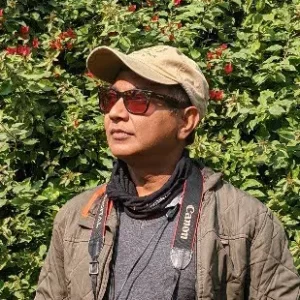
Mr. Vibhav Srivastava is a seasoned wildlife biologist and ecotourism professional with over 20 years of experience across wildlife research, forest management, conservation education, and sustainable tourism in India.
Currently at Nature Safari India, he curates immersive wildlife experiences, leads conservation communication, and designs educational outreach programs. His expertise spans both in-situ and ex-situ conservation, with extensive field work in all major wildlife landscapes of Central, Northern, Eastern, and Southern India. Notable contributions include all-India tiger monitoring with the Wildlife Institute of India, community-based conservation initiatives, and training forest staff and nature guides.
He has held key roles with RARE India, National Zoological Park (New Delhi), Le Passage to India, Tiger Protection Group, and served as Chief Naturalist at Kanha National Park, deepening his expertise in biodiversity conservation and human-wildlife interactions.
An accomplished educator and communicator, Mr. Srivastava has delivered over 30 lectures at prestigious institutions including Delhi University, BHU, Amity University, and IITTM. He is a published author and researcher, with co-authored books, scientific publications, and paper presentations at national seminars. His work consistently bridges conservation science, community engagement, and responsible tourism.
He holds a Master’s degree in Botany, has received professional training from the Wildlife Institute of India, and was nominated among the top five naturalists in India for the TOFT Best Naturalist Award.