Tiger and Bird Photographic Safari


- Why choose Tiger and Bird Photographic Safari?
Journey Highlights & Overview
Over several lifetimes, the peaks of the colossal Himalayan range have nestled the Indian Subcontinent to give rise to a splendid ensemle of diversity. A tiger safari along with birding tours through the montane forests of Corbett National Park, Nainital and Pangot will leave any bird enthusiast in a spell of enchantment. Sojourns like a birding tours to Bharatpur will leave you feeling exhilarated as you immerse yourself in a park with sprawling wetlands which are known to invite massive congregations of migratory birds from the northern hemisphere of the world.
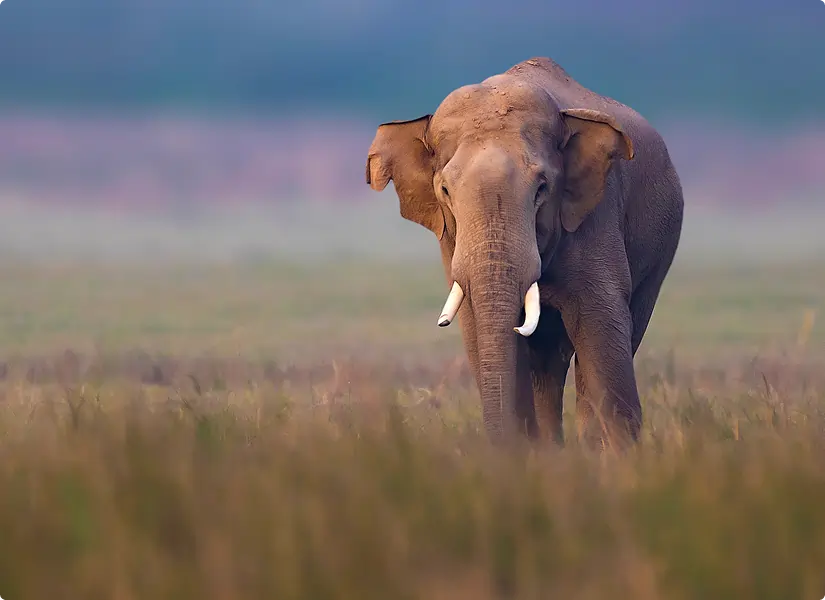
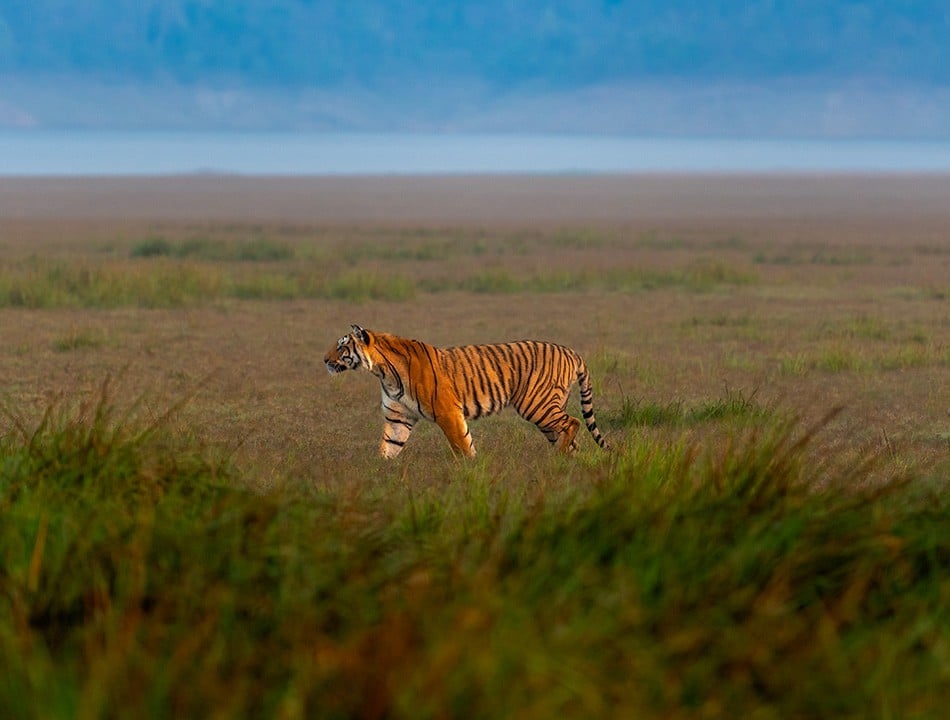
In addition to the avifauna that you seek, this tiger safari tour also serves as an excellent opportunity to see the magnificent Royal Bengal Tiger, Indian Elephant, and the fearless Yellow-Throated Marten of Corbett National Park. A wildlife safari tour across these awe inspiring habitats is bound to leave you glued to your camera for the entire tour
- Majestic tiger prowls jungle while bird dances in sunlight.
- Captivating close-ups of elusive tiger and colorful bird species.
- Expert-guided safari unveils wildlife wonders through stunning photography.
- Intimate encounters with Bengal tigers and exotic birdlife in habitat.
- Thrilling moments capture tiger's stealth and bird's gracefulness.
- Immersive journey blends adventure, photography, and conservation awareness seamlessly.
- Plan this journey
Get a quote for this journey
A senior naturalist reviews every enquiry and responds within 6 hours. You’ll receive a tailored itinerary, not a generic brochure.
- Destinations covered on this tour
Sneak a peak into the trail
At Nature Safari India, we believe your only job should be to immerse yourself in the magic of India on your tour.
From booking internal flights and securing train reservations to arranging private road transfers and handling any unique, special requests along the way, we take care of every logistical detail.
Leave the planning to us so you can simply focus on enjoying your unforgettable journey.
Itinerary for Tiger and Bird Photographic Safari
- Day 1
Arrive in New Delhi (By Flight)


- Day 2
Sultanpur National Park and Okhla Bird Sanctuary
Post an early breakfast, drive to Sultanpur National Park. It is an outstanding birder hub as it’s a refuge for many residents as well as scores of migratory birds that flock here. Located on the fringe of New Delhi in the state of Harayana, the park encompasses semi-arid areas as well as wetlands. Our morning here is a perfect way to start our journey across northern India as you will encounter a wide array of species such as the Northern Shoveler, Northern Pintails, Red Crested and Common Pochards, with a slight chance of Greater Flamingos as well.
Grey Headed Swamphen, Red-naped Ibis, White-Tailed Lapwing, Bar Headed Goose, Painted and Black-Necked Storks and the Greater Flamingos. Around the wetlands, you have a well-wooded area where one can spot the Spotted Owlets, Yellow Crowned Woodpecker, Purple Sunbird’s, Eastern Orphean Warbler, Bluethroat, Red Breasted Flycatcher, Eurasian Hoopoe and even the Red Avadavat. Raptors too grace the land, with the likes of Marsh Harriers, Indian Spotted Eagles and Osprey for the catch of the day. The park also has its fair share of mammals such as Nilgai (the Bluebull), Golden Jackals, Jungle Cats and Indian fox.
Post Lunch, we will depart for Okhla Bird Sanctuary. Here, there’s a chance of finding the Yellow-Bellied Prinia and the Striated Babbler. There’s also a good chance of seeing many of the species that we have may have already seen earlier in the day. A total of 302 species have confirmed records from Okhla bird sanctuary and the areas in its immediate vicinity. In January 2011, as a part of Asian Waterbird Census 2011, a leucistic coot, known for its unusual bright white plumage, was spotted with the flock of common coots, for the first time in India. The sanctuary hosts over 400 species year round and over 1 lakh migratory birds in winter months. It hosts 30% of the 1200 to 1300 bird species recorded in the Indian sub-continent.
- Day 3
New Delhi – Corbett
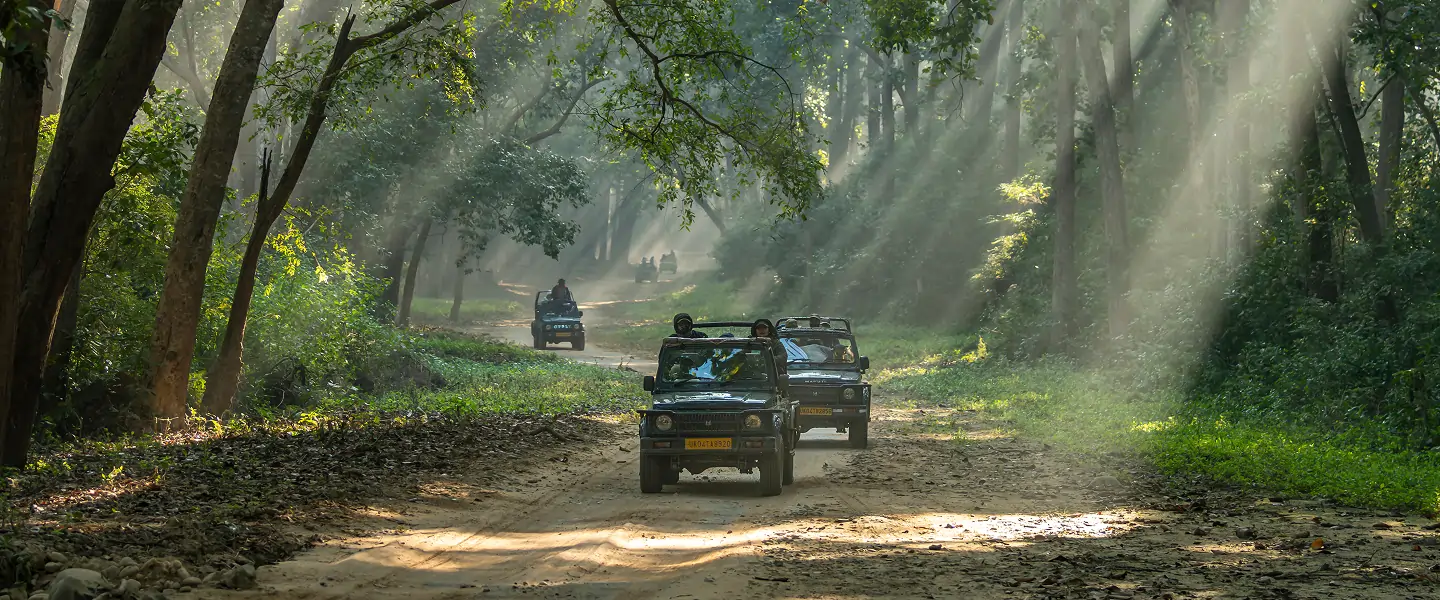
After an early breakfast, depart for Corbett National Park (275 kms/ 5 hrs). At the park entrance, switch to wildlife safari vehicle with your baggage. Be ready with your camera equipment as the next 32 km, 1.5-hour drive, is through the core area of the national park, where you have a good chance to encounter wildlife including Tigers, Leopards and Asian Elephants. On Arrival, Check into the forest lodge. Post Lunch, proceed for an Afternoon Corbett Tiger safari.
Living in the Forest Rest House is unique to Corbett National Park. It is only in Corbett that you get an opportunity to stay inside the national park. The complex is located on the banks of Ramganga river and overlooks the foothills of Himalayas. Alcohol and smoking is not permitted here. Return from the tiger safari at sunset. Dinner and overnight at the Forest Rest House


- Day 4 & 5
In Corbett National Park
Morning and afternoon corbett tiger safaris, meals and overnight at Forest Rest House inside the national park.
Begin your morning tiger safari at sunrise. Corbett has been aptly described as the land of the Roar, Trumpet and Song. It represents a scene of remarkable beauty. Corbett National Park had the proud distinction of being the chosen venue for the inauguration of Project Tiger in India. The rich biodiversity of the Reserve is partly attributed to the variety of habitats here. Due to the location of the Reserve in the foothills of the central Himalayas, both Himalayan and peninsular flora and fauna is found in the Reserve. Dinner and overnight at the Forest Rest House.
- Day 6
Corbett – Pangot
Morning Jeep safari in the Dhikala zone. Post breakfast, checkout from lodge and drive towards exit gate to make your way for Pangot (160 kms /4 hrs). On arrival, check into the hotel. At evening, step out for birding watching in Pangot.


- Day 7
Pangot – Nainital
- Day 8
Nainital – Agra
On this morning, bird watching in Nanital. Post drive to Agra 345 kms/ 9 hrs drive to Agra. Overnight stay at Agra.


- Day 9
Agra – Dholpur
At sunrise, proceed to visit the famous white marble mausoleum, The Taj Mahal, which was built in the middle of the 17th century by the Moghul emperor Shah Jehan for his wife Mumtaz Mahal.
Completed in 1652, skilled craftsmen from Persia, Turkey, France and Italy and some 20,000 labourers worked extensively for 17 years to build this edifice.
After breakfast check out from the hotel and drive to Dholpur (55kms, 1-1.5-hour drive) On arrival check into lodge in Dholpur.
Go for birding on Chambal river. National Chambal Sanctuary which is a 400 km protected stretch of the river. A boat safari takes you on a two-three hour ride down the River Chambal, drifting past gharials basking on the sandbanks, marsh crocodiles and turtles sunning themselves on the rocks along with a wealth of birds fluttering around.
- Day 10
Dholpur – Bharatpur
After breakfast, head out for yet another boat ride drive at Chambal river. Later proceed to Bharatpur 105 Kms, 2-3 hrs. drive. On arrival check into lodge. After lunch proceed for evening bird watching at Bharatpur Bird Sanctuary..
These diverse habitats are home to 366 bird species, 379 floral species, 50 species of fish, 13 species of snakes, 5 species of lizards, 7 amphibian species, 7 turtle species, and a variety of other invertebrates. Every year, thousands of migratory birds visit the park for the winter and breeding. The sanctuary is one of the richest bird areas in the world and is known for nesting of resident birds and visiting migratory birds including water birds. Overnight stay at the hotel in Bharatpur.


- Day 11
Bharatpur – New Delhi
Morning birding excursion at Bharatpur bird sanctuary. Post lunch, drive to New Delhi (210 kms, 4 hrs drive). Overnight stay at hotel in New Delhi.
- Day 12
New Delhi Fly Back
- Trip Inclusions
- Accommodation in New Delhi on bed and breakfast basis.
- Accommodation in other destinations all meals and exclusive safari or birding excursions basis.
- Entrance, Guide and Safari charges in Corbett National parks.
- 6 exclusive jeep safaris in Corbett
- 1 Birding in Sultanpur Bird Sanctuary
- 2 Birding excursion in Pangot
- 2 Birding excursion in Nanital
- 2 Birding excursion in Bharatpur
- 2 Boat Ride in Dholpur
- Assistance at airport and hotels
- All land transfers in air-conditioned Toyota innova/Crysta
- All currently applicable taxes
- Trip Exclusions
- International and domestic airfare
- Still / video camera fee in the monuments and national parks.
- Expenses of personal nature like Tips, smokes, liquor, laundry and telephone calls.
- Travel insurance
- Anything not mentioned in the inclusions.
Experience of Excellence in Indian Wildlife Tourism
Celebrated 25 years in Jan 2025, marking decades of happy guests, 13,000+ trees planted, and impactful conservation efforts. We thank our expert Naturalists, trackers, hotel, and transport partners for their dedication. Committed to sustainable tourism, we will continue delivering exceptional wildlife experiences with the highest service standards.

- Journey extension
Your Journey, Your Choise


- The Experience, Through Their Eyes
Our Testimonials
Michelle
Lisa W
This was a 5 star Trip of a Lifetime. I have travelled recreationally all over the world and this trip put together by Ishana Vats at Nature Safari India/Tiger Safari India was at the top of the list.
We wanted a nice mix of Indian culture and history and wildlife. Ishana put together a well-paced tour of the Golden Triangle…
Paul Swerdlow
For a 60th Birthday treat, I researched Tiger Safaris. Nature Safari India came up with the best options and great reviews. From the first point of contact with Ishana, organising what was best for us, she made it a breeze. We can’t fault Ishana’s assistance, organisation and professionalism through our planning as well as during our trip…


Why choose Nature Safari India?
- Journeys Curated by Experts
We at Nature Safari India focuses on creating bespoke wildlife safari tours tailored to your needs so that you will enjoy your dream vacation.
- India-wide naturalist depth
Our in-house naturalists are not just guides, they are storytellers of the jungle who will enhance your tiger safari experience in India.
- Seamless private planning
From touchdown to takeoff, your journey will be seamless. No surprises, no chaos, just peace of mind.
- Conservation with credibility
With our motto, “conservation through tourism” we focus on providing back to nature by supporting communities, protects tigers and more.
- Not just a trip, a dream come true
We believe in providing the best experience to our guests because this is not just a trip, but once in a lifetime journey.
- Beyond wildlife, tribal tales
Not just exploring wildlife, but you will get a chance to dive deep into India’s tribal culture, ancient traditions & heartfelt connection with villagers.
- Plan this journey
Customize the Tiger & Bird Photographic Safari for your dates
A senior naturalist reviews every enquiry and responds within 6 hours. Unlike automated booking platforms, every itinerary we send is handcrafted around your dates, parks and interests.
- 25+ years of arranging tiger safaris in central India
- Exclusive jeeps and in-house naturalists on every safari
- Guaranteed sighting - India holds 75% of the world's wild tigers - we put you in the right park and zone to see them
- Prefer to talk it through?
Sharad Vats — +91 98112 00094
[email protected]
- What to Expect, Clearly Explained
Frequently Asked Questions
Why should I go to India for Wildlife Safari in 2026?
India boasts unparalleled biodiversity across over 100 national parks, featuring iconic species like Bengal tigers, Asiatic lions, one-horned rhinos, elephants, sloth bears, and Indian leopards. In 2026, enhanced conservation, sustainable initiatives, and improved infrastructure make safaris much more accessible, affordable, and eco-friendly. Blend thrilling jeep tours in Kanha, Corbett, Pench, Ranthambore or Kaziranga with cultural tours for an unforgettable adventure. Choose solo, group, or private options, extendable to special interests like snow leopard expeditions, red panda quests, and birding tours.
Why should I take a tiger Safari India tour but not in other country?
There are 7 other countries besides India where the Tigers roam free. But India with a population of 4000+ tigers has about three-fourth of world’s wild tigers roaming in 50 tiger reserves. The sheer number of tigers in India increases the chances of sighting them substantially. Out of the 50 tiger reserves you have excellent chances of sighting tigers in at least 15 of them.
Which are the top 03 national parks for a tiger safari in India?
The top 3 national parks for tiger safari in India are Corbett National Park, Bandhavgarh National Park and Ranthambore National Park. To read a detailed review of the three, please read our blog on the Top 3 National Parks for Tiger Safaris in India. These we mention keeping in mind the consistency of tiger sightings over last 30 years.
Is an open jeep safe for a tiger safari India tour?
Yes, jeeps are safe for a tiger safari in India. The only point of understanding is that the jeep and its occupants must at all times maintain a safe distance from the wildlife around. If you hinder their space or peace, they might not like it and in turn leave the area. Always remember that you are in their territory and it is only basic courtesy to not disturb them. Do not get off your safari vehicle to click photos, do not feed them, and do not ask the driver/guide/naturalist to speed up to chase wildlife around. These are basic rules and any form of disobedience is strictly punishable.
What kind of clothes should I carry on a tiger safari India tour?
The temperature in Indian jungles experiences fluctuations throughout the day. During the scorching summer months of April and May, it can climb to a peak of 45 degrees Celsius, but it cools down to a pleasant 25 degrees Celsius in the evenings. In the winter season, from December to February, the mornings can be quite chilly, with temperatures dropping to as low as 0-5 degrees Celsius, but the days become comfortably warmer, ranging between 15-20 degrees Celsius. If you’re interested in learning more about tiger safaris in India and how these temperature changes can impact your experience, click here to read further.
For detailed blog post on the best time to visit national parks in India for tiger safaris.
What is the difference between a jeep and a canter on a tiger safari India tour?
A jeep is an open roofed car which is the most agile form of tiger safari within an Indian national park. It has the capacity to seat a naturalist (also your driver), a guide (as provided by the forest department) and 06 guests while on safari. A canter on the other hand is an open roofed mini bus which has the seating capacity of a driver, guide and 16-20 guests.
Which all documents are required by an NRI for experiencing tiger safari in India?
You will need 2 documents to have an experience of tiger safari in India and those are your passport and safari permits. Permits can be booked online through goverment websites. While booking your tiger safari permits, NRI’s must have their passports ready as you need to update the same on the website and don’t forget to carry your passport while going for the safari as the park officials check the same at the entry gates.
Its optional but important to carry a local identity proof like drivers licence with you as sometimes it is required to cross check your passport.
What is the average cost of a tiger safari tour in India?
The cost of a Tiger Safari in India varies significantly based on several factors, including the national parks you visit, the duration of your trip, the size of your travel group, your choice of accommodation (whether it’s 3-star or 4-5 star), and whether you opt for exclusive or shared jeep safaris, among other considerations.
How do I book a tiger safari in India?
You can book a tiger safari in India through a reputed wildlife travel company that arranges park permits, expert guides, and accommodations. Here is a quick comparison between the top 5 best tiger safari tour operators in India. Advance booking is highly recommended, especially for popular parks like Bandhavgarh, Corbett, Kanha, Pench & Ranthambhore.
Which company offers the best tiger safari in India?
The best tiger safari in India is often curated by companies with decades of wildlife expertise, in-depth park knowledge, and a network of naturalists. Look for companies offering tailor-made itineraries and consistently high guest ratings. At Nature Safari India we hold 30 years of experience organizing experiential tiger safari tours in the best national parks of India. read our testimonials or TripAdvisor page to know how our guests rate our services.
What is included when I book a tiger safari in India?
When you book a tiger safari in India, the package often includes park entry permits, jeep safaris, guide fees, accommodation, and meals. Some premium operators like Nature Safar India & Tiger Safari India also offer transfers, expert naturalists, and personalized services.
What makes the best tiger safari in India truly special?
The best tiger safari in India combines high tiger density parks, expert trackers, quality accommodations, and well-timed safaris. Personalised attention, responsible tourism, and seamless logistics set top experiences apart from generic ones.
With Nature Safari India, you get a special curated tour for your needs and schedule because we believe that your journey should be designed to cater your needs.
How many safaris should I plan to maximize my chances of seeing the tigers?
No one can predict a confirmed tiger sighting, but with the right combinations of naturalists, Jeep drivers, and park guides, the chances are better. To answer the question of how many safaris you should do to maximize tiger sightings, I can say a minimum of four tiger safaris is required at a national park. It will maximize your chances by giving you more time to explore more areas.
Are children allowed on tiger safaris, and if allowed how old should they be?
The safari hours are long, children of younger age get bored and may create noise, which is not good for safety as well as safari experience for the fellow safari goers, so only children above the age of five are allowed to go on a tiger safari.
Can we get a refund if we cancel a tiger safari in advance?
It depends on how many days before you cancel your safari. If you cancel it one month before, you will get a full refund except for the booking charges.
How fit do I have to be for a tiger safari?
A tiger safari is always conducted in a 4X4 vehicle, and there is no walking involved. If you are a person who can sit comfortably in an open vehicle for long hours, then you are perfect for the tiger safari.
However some national parks gives the experience of walking safaris for which you have to cover 4 – 5 miles (approx.)
Can I stay inside a national park during my tiger safari in India?
Yes, several national parks offer forest rest house and premium stays inside or near the core zones. Staying close enhances your chances of early morning and evening sightings during your tiger safari in India. Examples Corbett, Namdapha National Parks.